SEO & Lead Generation
  Google Adwords Management
 Social Media Management
 Ecommerce Marketing
 WordPress & Shopify Services
 Website & App Designing
  Website Speed Optimization
  Website Hosting Services
  Amazon PPC Marketing
  Landing Page Designing
 Logo Designing Services

 ×
×

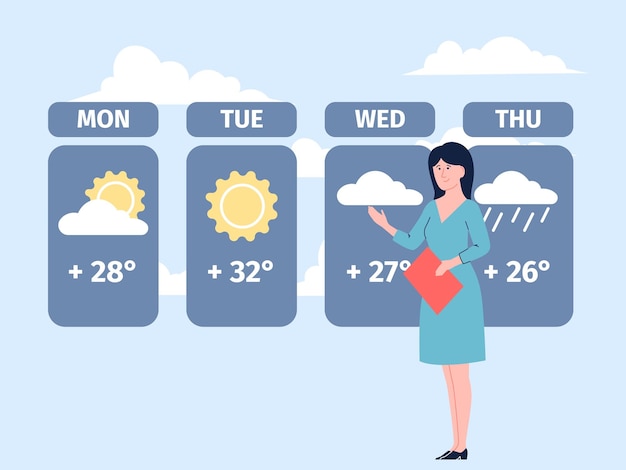
Weather has always played a significant role in consumer behavior. From deciding what to wear to influencing shopping habits, weather conditions have a direct impact on daily life. However, its influence extends far beyond personal decisions—it is a powerful factor in digital marketing. Brands that integrate weather targeting marketing into their strategies can drive more effective campaigns, increase engagement, and improve return on investment (ROI).
By leveraging real-time weather reports, businesses can fine-tune their advertising, content, and promotions to cater to changing consumer behaviors. With advanced tools and AI-powered analytics, we help businesses predict market trends based on seasonal and weather-related patterns. In this article, we’ll explore how weather reports impact digital marketing, how brands can harness this insight to optimize their campaigns, and real-world case studies demonstrating the power of weather-based marketing.
With modern technology, marketers can track weather conditions and adjust campaigns in real time. Studies show that weather influences everything from online shopping behavior to engagement rates on social media. Brands that understand these patterns can create weather-sensitive marketing campaigns that resonate with their target audience, ensuring relevance and effectiveness.
1. Consumer Buying Behavior: Weather impacts purchasing decisions, influencing demand for products like apparel, food, travel services, and outdoor equipment.
2. Ad Performance Optimization: Digital ads perform differently under various weather conditions, making real-time weather targeting essential.
3.Location-Based Marketing: Weather-targeted campaigns help businesses tailor ads based on local weather conditions, ensuring increased relevance.
4. Engagement on Social Media: Consumers interact differently with brands depending on the weather, impacting engagement rates on platforms like Facebook, Instagram, and Twitter.
5. SEO & Content Strategy: Seasonal and weather-based content ranks higher in search engines during relevant conditions, improving organic traffic.
6. Personalization & AI-Driven Marketing: AI-powered weather targeting allows hyper-personalized ad delivery, increasing conversion rates.
7. Industry-Specific Impact: Different industries, including retail, travel, food delivery, and health & wellness, benefit from weather-based targeting.
8. Dynamic Pricing & Promotions: Businesses can adjust pricing and promotions based on forecasted weather conditions to maximize sales and reduce inventory waste.
Real-time weather targeting allows brands to trigger specific ad campaigns based on current weather conditions. These campaigns ensure that messaging aligns with consumer needs at the right time.
Case Study: Coca-Cola’s Summer Campaign
Weather reports influence search trends, and brands can optimize content accordingly to increase website traffic and conversions.
Example
Brands see higher engagement when they post content that aligns with current weather conditions. Weather-based posts drive discussions and increase interaction.
Case Study: Starbucks’ Seasonal Promotions
E-commerce stores leverage weather data to highlight relevant products and create automated recommendations based on local conditions.
Example
Grocery delivery services promote warm beverages and soups during cold weather, increasing seasonal sales.
Amazon promotes raincoats and umbrellas when heavy rain is forecasted.
Clothing brands feature summer collections when the weather starts warming up, ensuring that inventory moves efficiently.
Email campaigns can be optimized based on local weather conditions to increase open and click-through rates by ensuring relevance.

Case Study: North Face’s Personalized Weather Alerts
Travel agencies and airlines adjust pricing, promotions, and recommendations based on weather patterns, ensuring maximum booking potential.
Example
AI tools can predict consumer behavior based on upcoming weather patterns, enabling smarter marketing decisions and real-time optimization.
Case Study: McDonald’s AI-Powered Weather Ads
At Kleverish, we utilize weather data to create smart, data-driven marketing strategies that improve engagement and conversions. Our approach includes:
1. Real-Time Weather-Based Ad Optimization
We integrate weather API data with ad platforms to adjust campaigns dynamically based on current conditions, ensuring that ad budgets are used effectively.
2. Seasonal SEO Strategies
Our content team optimizes blog posts, landing pages, and product descriptions around seasonal and weather-based keywords to maximize search visibility and traffic.
3. AI-Driven Consumer Behavior Prediction
We use AI analytics to track how different weather conditions impact user behavior, allowing brands to predict and respond to market demand.
4. Hyper-Personalized Marketing Campaigns
We craft tailored marketing messages that align with local weather conditions, increasing conversion rates and ensuring better engagement.
5. Social Media Trend Monitoring
By tracking social conversations around weather trends, we create viral, engaging content that resonates with audiences, ensuring continuous brand engagement.
Weather has a direct impact on consumer behavior, and digital marketers who leverage real-time weather reports can create more targeted, effective campaigns. From adaptive advertising to weather-sensitive content marketing, brands can use weather-driven insights to optimize marketing strategies for higher engagement and conversions.
As a leader in data-driven digital marketing, Kleverish helps businesses implement smart weather-based marketing solutions that enhance brand performance. Whether it’s SEO, social media, paid ads, or AI-driven campaigns, our expertise ensures your brand stays ahead of the competition.
Want to integrate weather-based marketing into your digital strategy? Contact Kleverish today to elevate your marketing efforts!

My frontend development internship at Kleverish was a great learning experience. I worked on real-world UI components, responsive layouts, and improved my skills in HTML, CSS & JavaScript. The team was very supportive and helped me understand modern frontend techniques like performance optimization and clean code structure.



 Rated 4.99/5 overall
across 100+ reviews
Rated 4.99/5 overall
across 100+ reviews