PC Gaming vs Console Gaming: Which One Is Right for You?
Home / Web Development / PC Gaming vs Console Gaming: Which One Is Right for You?
When it comes to gaming, two major platforms dominate the conversation: PC and console. Each offers a unique gaming experience, with its own set of advantages and drawbacks. As a gamer, the decision between the two ultimately depends on your personal preferences, needs, and budget. So, which one is right for you? Let’s break down the pros and cons of PC gaming and console gaming to help you make an informed choice.
PC Gaming: The Power of Customization and Performance
PC gaming has been a staple of the gaming world for decades, offering unparalleled performance, flexibility, and customization compared to other gaming platforms. Whether you’re a competitive esports player, a casual gamer, or someone who loves to mod and explore game worlds, PC gaming has something for everyone. In this blog, we will explore the benefits, challenges, and what makes PC gaming stand out as one of the best ways to enjoy video games.
Why Choose PC Gaming?
1. Unmatched Performance
One of the biggest advantages of gaming on a PC is performance. Unlike consoles, which have fixed hardware, a gaming PC can be customized and upgraded to meet the highest standards of performance. This flexibility means you can play games at higher resolutions, faster frame rates, and better graphics quality.
Graphics: High-end gaming PCs with powerful GPUs (Graphics Processing Units) like the NVIDIA GeForce RTX 30-series or AMD Radeon RX cards can run games at 4K or even 8K resolution, delivering breathtaking visuals. With ray tracing technology, modern PCs can simulate more realistic lighting, shadows, and reflections, providing a more immersive experience than consoles.
Frame Rate: A gaming PC can easily achieve 144Hz or higher frame rates, especially if paired with a compatible monitor. High frame rates result in smoother gameplay, which is especially important in fast-paced games like first-person shooters (FPS) or real-time strategy (RTS) games.
Customization: With a gaming PC, you have control over every component—from the CPU to the RAM and storage. This means you can build a system that perfectly suits your needs and budget. Whether you’re gaming on a budget or want to build a high-end powerhouse, the possibilities are endless.
2. Game Library and Modding Opportunities
PC gaming has access to a massive game library, arguably the most diverse selection of titles of any platform. This includes everything from major AAA games to indie darlings. You’ll find games on multiple platforms, such as Steam, Epic Games Store, GOG, Origin, and UPlay, among others.
Game Variety: PC is home to a broad spectrum of genres, including many that are often overlooked by consoles, such as strategy games, MMOs, and simulation games. You can also find older titles or obscure indie games that may not make it to consoles.
Sales & Discounts: PC gamers enjoy regular sales and discounts through platforms like Steam’s Summer Sale and Epic Games Store promotions, which make it easy to pick up games at a fraction of their original price.
Modding: One of the best things about PC gaming is the modding community. Mods are user-created content that can range from cosmetic changes to major game overhauls. For example, mods can improve graphics, add new missions, or introduce entirely new features to games. The Elder Scrolls V: Skyrim is a prime example of a game that has remained popular for years, largely thanks to the modding community.
3. Flexibility and Customization
Unlike consoles, which have set hardware configurations, gaming PCs give you complete freedom to choose your hardware. Whether you’re a novice or an experienced enthusiast, you can either build your own PC or buy a pre-built gaming rig.
Customizability: PCs allow you to choose exactly how much power you need. Whether you’re upgrading your graphics card for better performance or adding more RAM to multitask effectively, you have the flexibility to improve your system over time without replacing everything.
Peripherals: PCs give you access to a wide variety of input devices, from high-end gaming mice and mechanical keyboards to custom controllers. Many FPS players prefer the precision of a mouse and keyboard over controllers, especially in competitive games like Counter-Strike: Global Offensive or Valorant.
Multi-Screen and Multi-Tasking: PC gaming also offers the option of multi-monitor setups, providing an expansive, immersive environment. This can be ideal for gamers who love to stream, multitask, or want to enjoy a broader field of view in certain games.
4. Backward Compatibility
One of the highlights of PC gaming is the ability to play games from almost any generation, whether they’re classic games or the latest AAA titles. Thanks to emulation software and a wide array of digital storefronts, PC gamers can enjoy titles from consoles and older PCs that may no longer be available on modern systems.
Emulators: Tools like DOSBox or RetroArch allow you to play retro games from older consoles and computers directly on your PC. You can even enjoy titles from systems like the Super Nintendo, PlayStation 1, and Sega Genesis without needing the original hardware.
Challenges of PC Gaming
While PC gaming is fantastic in many ways, it does come with a few challenges that might not be ideal for everyone.
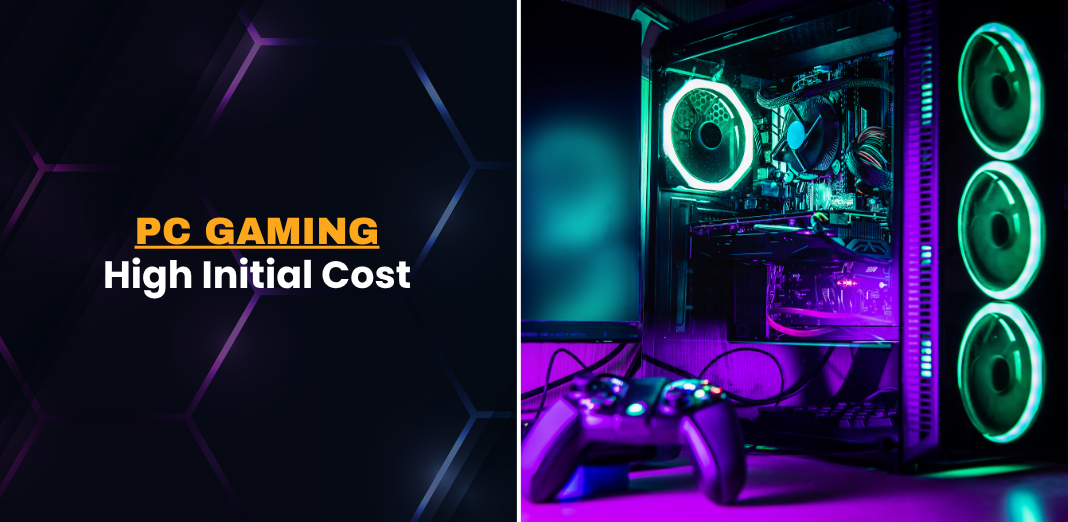
1. High Initial Cost
One of the most significant barriers to entry for PC gaming is the initial cost. Building or purchasing a gaming PC can be far more expensive than buying a console. High-performance components like GPUs, CPUs, and high-refresh-rate monitors can add up quickly. However, keep in mind that you are paying for long-term flexibility and performance.
2. Complexity and Maintenance
Unlike consoles, which are essentially plug-and-play, gaming PCs require a certain level of technical knowledge. Building your own PC can be a fun and rewarding experience, but it also comes with the potential for complications.
Assembly: Choosing compatible components, assembling the system, and ensuring everything works together requires more effort and expertise than simply buying a console and inserting a game disc.
Ongoing Maintenance: Gaming PCs require regular updates to drivers, the operating system, and various software. Additionally, hardware can wear down over time, and if something breaks, it may require costly repairs or replacement.
3. Space and Portability
Gaming PCs, especially custom-built desktops, can be bulky and require significant space. If you’re someone who values portability or has limited room, this might be a concern. While gaming laptops are available and offer a more portable solution, they tend to be more expensive and may not match the performance of desktop PCs.
Why PC Gaming Is Worth It
If you’re a gamer who values customization, performance, and access to a huge library of games, PC gaming is a fantastic choice. The ability to upgrade your hardware as technology advances and the option to engage with a vibrant modding community makes PC gaming a highly flexible and exciting option.
Whether you’re into competitive esports, exploring vast open- world games, or tinkering with mods and customizations, the PC gaming experience is unparalleled. With the right setup, you can enjoy cutting-edge technology, incredible visuals, and a game library that spans decades of gaming history.
Cons of PC Gaming:
1. Higher Upfront Costs
Building or purchasing a gaming PC is generally more expensive than buying a console. High-end GPUs and CPUs alone can cost more than a full gaming console, and the cost of accessories (monitor, keyboard, mouse, etc.) adds to the overall investment.
2. Complex Setup and Maintenance
Technical Know-How: Building and maintaining a gaming PC can be daunting for beginners. You’ll need to be comfortable with selecting compatible components, assembling them, and troubleshooting issues.
System Maintenance: Regular maintenance is necessary to ensure your PC runs smoothly. This could include software updates, driver installations, and dealing with potential hardware issues.
3. Space & Portability
Gaming PCs often take up more space compared to consoles and can be less portable. While you can take a laptop to a friend’s house, a full-sized desktop PC is bulky and requires a bit more effort to move around.
Console Gaming: The Perfect Blend of Simplicity and Entertainment
Console gaming has long been a favorite choice for gamers of all kinds due to its simplicity, convenience, and accessibility. Whether you’re playing on a PlayStation, Xbox, or Nintendo Switch, consoles provide a gaming experience that’s easy to jump into and enjoyable for everyone—from casual players to hardcore enthusiasts. In this blog, we’ll dive into why console gaming continues to thrive, its advantages, and why it might be the perfect choice for you.
Why Choose Console Gaming?
1. Convenience and Simplicity
One of the most significant benefits of console gaming is its simplicity. Unlike PC gaming, where you need to worry about hardware configurations, software compatibility, and constant upgrades, consoles offer a plug-and-play experience. This means you can pick up your console, connect it to your TV, and start playing in minutes.
Easy Setup: All you need to do is hook up the console to your TV or monitor, insert your game (or download it), and you’re good to go. No technical knowledge is required, and there’s no need to deal with the complexities of building a gaming PC.
Automatic Updates:Consoles handle system updates and patches automatically in the background, ensuring that you always have the latest features and bug fixes without lifting a finger.
2. Affordable and Accessible
For gamers who are budget-conscious or don’t want to spend hours setting up a custom-built PC, consoles are often the more affordable choice. When you buy a console, the price includes everything you need to get started: the console, a controller, and access to an extensive library of games.
Lower Upfront Cost: Consoles like the PlayStation 5, Xbox Series X, or Nintendo Switch are typically less expensive than building a gaming PC that can match or exceed their performance. This makes them a more accessible entry point for gamers who don’t want to break the bank.
No Need for Upgrades: Unlike gaming PCs, which require constant upgrades to stay competitive, a console generally remains relevant for many years without the need for significant hardware changes. This gives you peace of mind knowing your system will work well for years without additional investment.
3. Exclusive Games and Content
Consoles often have a strong lineup of exclusive titles that you can’t play anywhere else. These games are typically developed with the specific hardware in mind, allowing for unique experiences that aren’t available on other platforms.
PlayStation Exclusives: PlayStation is known for its high-quality exclusive titles like The Last of Us, Spider-Man, Horizon Zero Dawn, and God of War. These games are often critically acclaimed and provide gaming experiences that are deeply tied to PlayStation consoles.
Xbox Exclusives: Xbox offers exclusives like Halo, Forza Horizon, and the growing catalog of titles from Xbox Game Studios. Xbox Game Pass, the subscription service, provides access to a vast library of games, including new releases on launch day.
Nintendo Exclusives:Nintendo is renowned for its exclusive franchises like The Legend of Zelda, Super Mario, Splatoon, and Animal Crossing. These iconic games often draw gamers to consoles like the Nintendo Switch, where portability is a big selling point.
4. Social and Local Multiplayer
Console gaming shines when it comes to local multiplayer and social gaming. While many PC games require you to play online with friends, consoles make it easier to gather your friends in one room and enjoy games together.
Couch Co-Op: Many console games support local co-op or split-screen multiplayer, allowing you to play together with friends or family in the same physical space. Whether it’s racing games like Mario Kart, fighting games like Super Smash Bros., or action-packed titles like Overcooked, console gaming is built for fun, face-to-face interaction.
Easier to Share: Consoles make it easier to share your gaming experiences with others. Features like Share Play on PlayStation and Xbox Live allow you to stream your gameplay or invite others to join you remotely.
5. Portability (Especially with the Nintendo Switch)
If you’re someone who values gaming on the go, consoles like the Nintendo Switch offer portability and versatility that gaming PCs and other consoles can’t match. The Switch can easily transition from a home console to a handheld device, allowing you to play your favorite games wherever you are.
Nintendo Switch: Whether you’re at home or on the go, the Nintendo Switch lets you enjoy console-quality games in the palm of your hand. With its hybrid design, you can dock it to your TV for a traditional gaming experience, or undock it and take it on the road as a portable console.
Xbox and PlayStation Portability: While not as portable as the Switch, PlayStation and Xbox consoles offer the ability to stream your games to other devices like smartphones or tablets using their respective apps, allowing you to play away from the TV.
6. Consistent Game Optimization
One of the benefits of console gaming is that all games are optimized to run on a fixed set of hardware. Developers can design their games knowing that every console will have the same specifications, which allows them to fine-tune the game for optimal performance.
Smooth Gameplay: Since developers only need to worry about optimizing for a specific console’s hardware, games tend to run more consistently in terms of frame rate and graphics quality. You won’t have to worry about adjusting settings or dealing with inconsistent performance, as you might with a gaming PC.
Challenges of Console Gaming
While consoles offer an excellent gaming experience, there are a few drawbacks compared to PC gaming.
1. Limited Customization and Upgradability
Unlike gaming PCs, consoles offer limited options for customization and upgrading. Once you buy a console, you’re locked into its hardware for the duration of its lifespan. You can’t swap out parts like the GPU or CPU to improve performance, though some consoles like the Xbox Series X offer options for adding external storage.
2. Lower Graphics and Performance Compared to High-End PCs
While consoles like the PlayStation 5 and Xbox Series X deliver stunning graphics and 4K resolution, they can’t quite match the performance and graphical fidelity of a high-end gaming PC. Gaming PCs are capable of reaching higher frame rates, superior ray tracing effects, and better overall graphical performance if you have the right hardware.
3. Game Library Limitations
Although consoles offer exclusive games, the overall game library is often more restricted compared to PC. Some games, particularly indie titles or certain simulation and strategy games, may not be available on consoles. Additionally, you don’t have the same freedom to mod games or play older titles unless they’re available through backward compatibility or digital stores.
4. Subscription Fees for Online Play
To access online multiplayer features on consoles, you typically need to pay for a subscription service like PlayStation Plus or Xbox Live Gold. While these services often come with
added perks like free games or discounts, they are an added cost that may not appeal to everyone, especially when online play is free on PCs.
Which Console is Right for You?
The choice of console largely depends on your personal preferences, gaming habits, and what kind of games you enjoy playing. Here’s a quick breakdown:
PlayStation:Ideal for gamers who enjoy immersive single-player experiences and exclusive titles like The Last of Us or Horizon Zero Dawn. PlayStation also excels in virtual reality with the PlayStation VR headset.
Xbox: Perfect for those who want access to a huge library of games, including Xbox’s Game Pass service, which gives you access to hundreds of games for a monthly subscription fee. Xbox is also a great choice for fans of titles like Halo and Forza Motorsport.
Nintendo Switch: Best for those who value portability and a family-friendly gaming experience. The Nintendo Switch is also perfect for fans of iconic franchises like The Legend of Zelda, Super Mario, and Animal Crossing.
Comparing PC Gaming vs Console Gaming: A Quick Overview
PC Gaming vs Console Gaming: A Quick Comparison
Performance
PC: Superior graphics, higher frame rates, and customizable hardware.
Console: Good performance but fixed hardware.
Cost
PC: Expensive upfront, but upgradeable over time.
Console: More affordable, no upgrades needed.
Game Library & Exclusives
PC: Huge variety, mods, and backward compatibility.
Console: Exclusive games (e.g., Zelda, Halo) optimized for hardware.
Ease of Use
PC: Requires technical knowledge and setup.
Console: Plug-and-play, user-friendly.
Online Play
PC: Mostly free, optional premium services.
Console: Requires paid subscriptions (e.g., Xbox Live, PlayStation Plus).
Portability
PC: Bulky; laptops are portable but less powerful.
Console: Switch is portable; others are not.
Customization
PC: Highly customizable and upgradeable.
Console: Limited upgrades, mostly for storage.
In Summary
PC Gaming offers ultimate performance and customization but comes at a higher cost and with a more complex setup.
Console Gaming is more affordable, simple, and social, with exclusive games but lacks the flexibility and upgradability of a PC.
Your choice depends on your budget, preferences, and what kind of gaming experience you’re after!
Pinal Bhalodia is a multi-faceted professional with a diverse skill set spanning creative website design, Google Adwords, Search Engine Optimzation , IT expertise, and sales acumen. With a passion for blending technology with artistic flair, Pinal has carved a niche for himself in the dynamic intersection of these fields.
 SEO & Lead Generation
  Google Adwords Management
 Social Media Management
 Ecommerce Marketing
 WordPress & Shopify Services
 Website & App Designing
  Website Speed Optimization
  Website Hosting Services
  Amazon PPC Marketing
  Landing Page Designing
 Logo Designing Services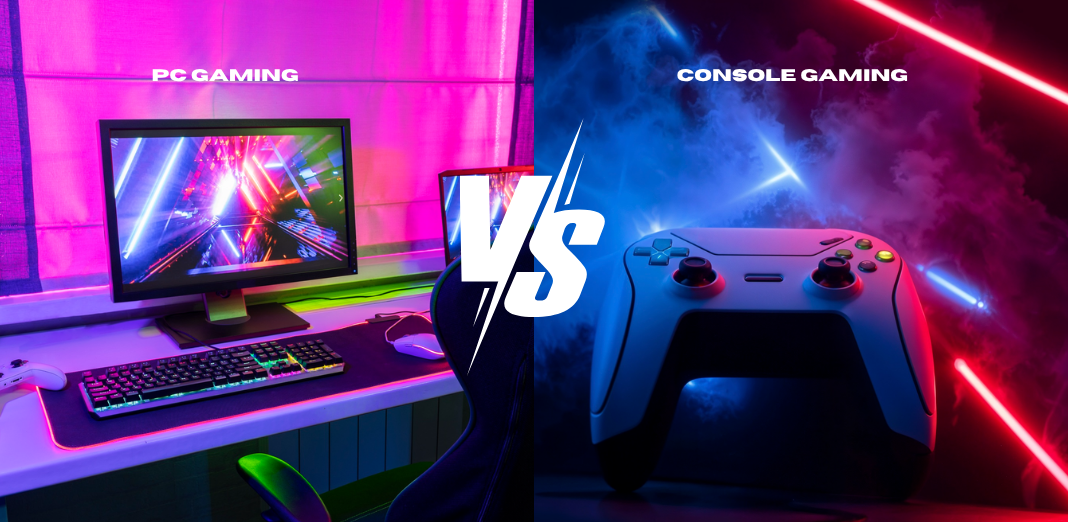

 ×
×





 Rated 4.99/5 overall
across 100+ reviews
Rated 4.99/5 overall
across 100+ reviews