SEO & Lead Generation
  Google Adwords Management
 Social Media Management
 Ecommerce Marketing
 WordPress & Shopify Services
 Website & App Designing
  Website Speed Optimization
  Website Hosting Services
  Amazon PPC Marketing
  Landing Page Designing
 Logo Designing Services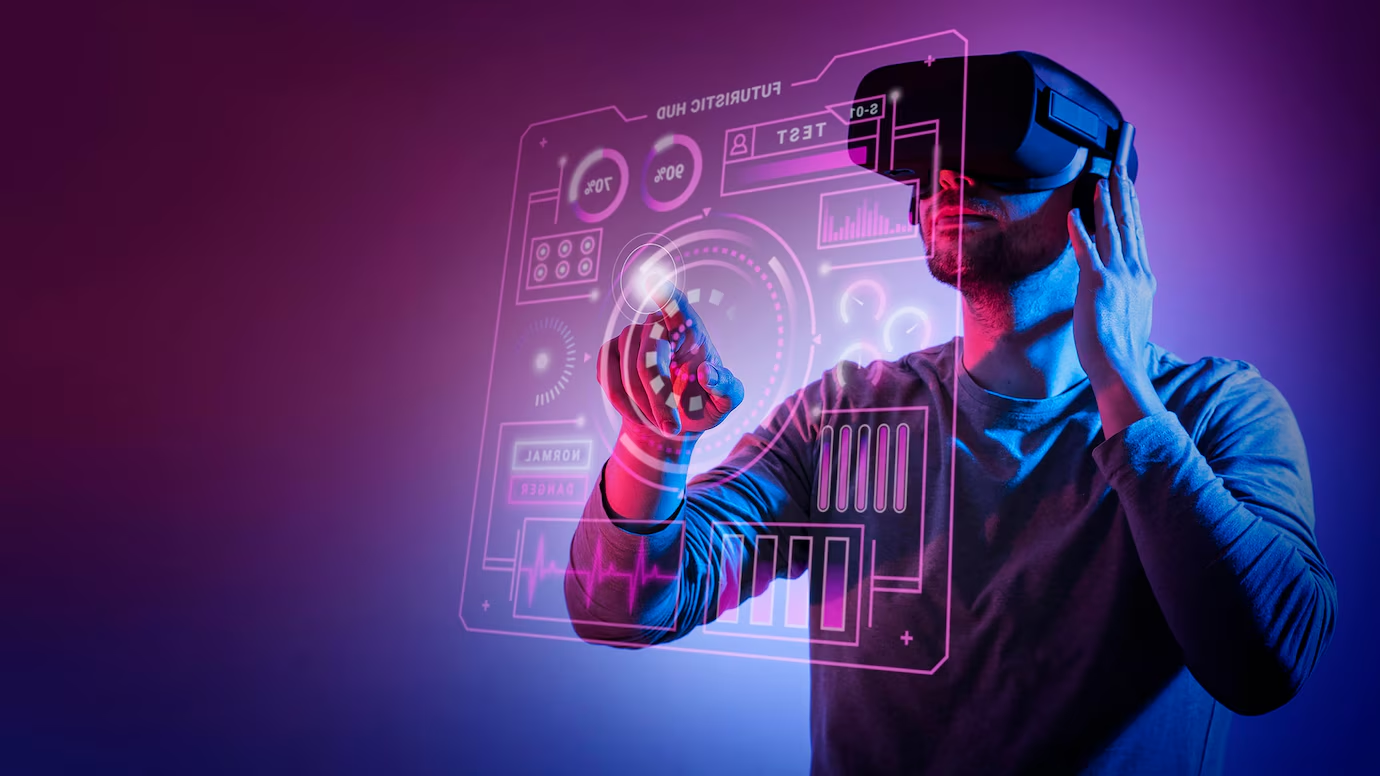

 ×
×

Digital marketing has experienced remarkable growth and transformation in the past decade, with new technologies continually reshaping the way brands communicate with their audience. The latest game-changers in the digital marketing space are Augmented Reality (AR) and Virtual Reality (VR). These immersive technologies are now making it possible for companies to create experiences that engage customers on a deeper level, offering both exciting challenges and immense potential.
At Kleverish, a leading digital marketing agency, we understand the significance of staying ahead of technological trends. AR and VR offer businesses innovative ways to captivate audiences and improve customer experience, making them crucial tools in modern marketing strategies. Let’s explore how AR and VR are impacting digital marketing and how businesses can leverage these technologies for greater success.
Before diving into the impact of these technologies on marketing, it’s important to understand what AR and VR are, and how they differ.
What is Augmented Reality (AR)?
Augmented Reality is the integration of digital information into the real world. Through AR, digital content (such as images, sounds, or text) is overlaid onto the physical environment, typically viewed through a smartphone, tablet, or specialized glasses. Unlike Virtual Reality (VR), AR does not immerse the user in a completely digital world, but rather enhances their perception of the real world. A popular example of AR is Pokémon Go, which allowed users to interact with virtual characters superimposed on real-world locations.
What is Virtual Reality (VR)?
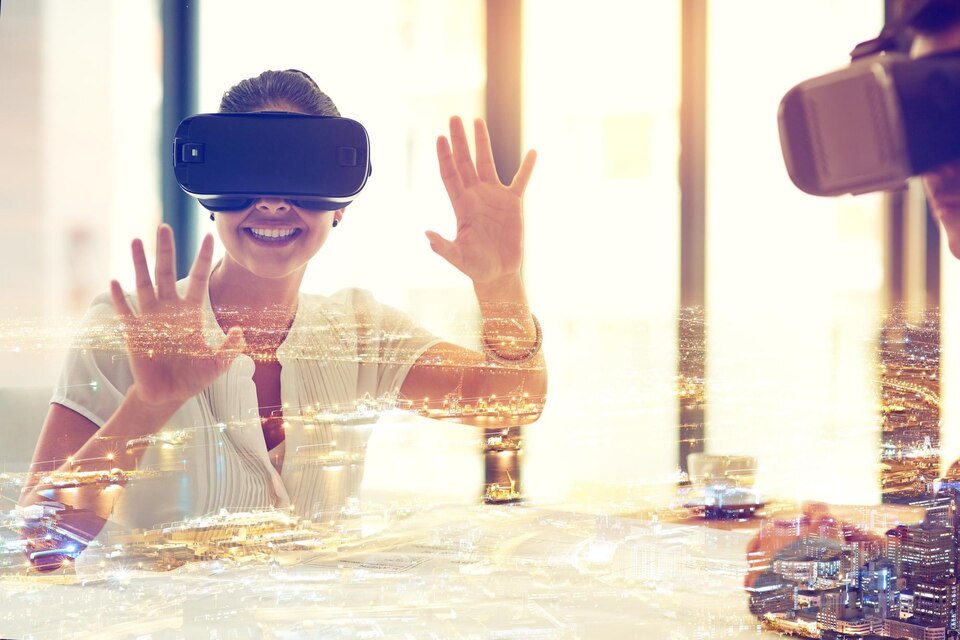
Virtual Reality, on the other hand, creates a fully immersive digital environment that completely detaches the user from their physical surroundings. By wearing a VR headset, users can interact with a computer-generated world, making them feel as though they are part of a completely different environment. VR technology is most commonly used in gaming, education, training simulations, and now, digital marketing.
Though the technologies differ in experience, both hold immense potential in transforming how brands communicate with their audience.
Both AR and VR have revolutionized the way brands engage with customers by allowing them to interact with products and services in new ways. In today’s competitive digital landscape, consumer experience is paramount. AR and VR deliver on that front by making the shopping journey far more immersive, enjoyable, and informative.
How AR & VR are Revolutionizing Customer Engagement
Engagement has always been at the heart of digital marketing. With AR and VR, brands can foster deeper, more meaningful engagement by offering interactive experiences that go beyond traditional ads. For instance, VR-powered ads can place customers directly in the middle of a brand’s story, while AR filters encourage customers to interact with a product in their own space.
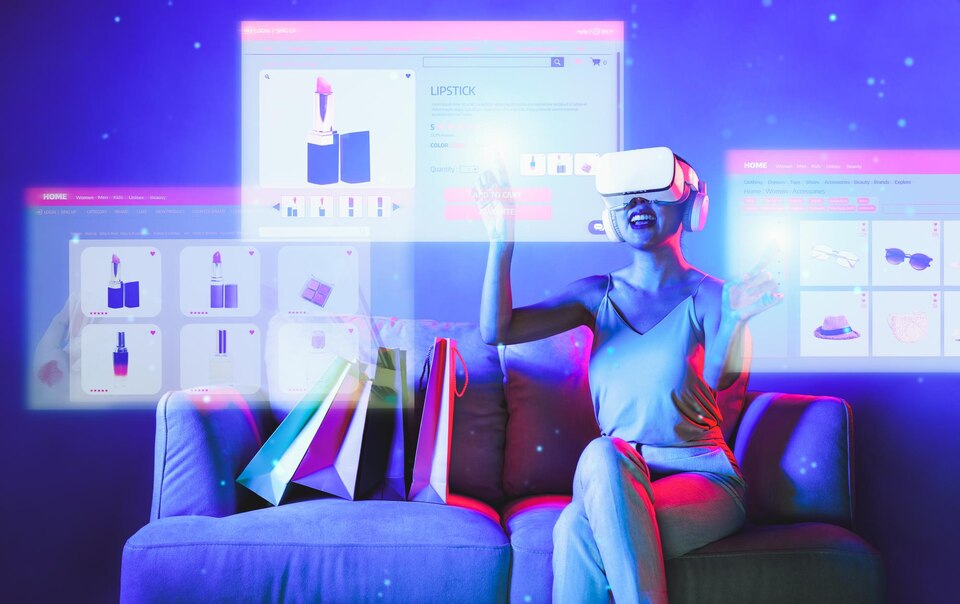
Engagement through these immersive technologies creates a more memorable interaction and, as a result, enhances brand loyalty. According to a study by Kleverish, customers are 70% more likely to make a purchase after interacting with a product via AR, compared to traditional advertising methods.
The impact of AR and VR on digital marketing is undeniable, with many successful case studies showing how brands can harness these technologies to create compelling campaigns.
1. IKEA – AR in Home Furnishing IKEA’s IKEA Place app revolutionized the way consumers shop for furniture. The app uses AR technology to allow users to virtually place furniture items in their homes. Customers can view how a sofa, table, or lamp would fit into their existing decor by simply pointing their smartphone at the desired space. This gives customers a visual confirmation of how products will look in their real-world environment, making the decision-making process easier and reducing the likelihood of returns.
2. Nike – AR and VR for Immersive Shopping Experience Nike has combined AR and VR to enhance their customer shopping experience. Their Nike Fit app, powered by AR, scans users’ feet and suggests the perfect shoe size, improving the overall customer. experience and minimizing the chances of purchasing the wrong size. Nike also utilizes VR in their physical stores to create virtual try-ons, where customers can interact with shoes or apparel in a virtual environment. This immersive shopping experience connects with consumers on an emotional level, creating a fun and interactive way to shop.
3. Coca-Cola – VR Campaigns for Customer Engagement Coca-Cola’s VR Enabled Vending Machines campaign took consumer engagement to new heights. Coca-Cola placed VR headsets on their vending machines, allowing customers to experience a virtual reality journey while buying a bottle of Coke. This fun, immersive experience reinforced the brand’s identity of happiness and joy while creating buzz around the product.
4. Gucci – Virtual Try-Ons with AR Gucci has embraced AR for virtual try-ons, especially in the area of eyewear. Customers can use the Gucci app to try on various styles of glasses using their smartphones or tablets. This AR experience allows potential buyers to see how different frames look on their faces without ever stepping foot in a store. It also removes the uncertainty and friction that comes with online shopping, making it more likely for customers to purchase the product.
5. Audi – VR Showroom Audi has implemented VR technology in their showrooms, allowing potential buyers to explore cars in 360-degree virtual reality. Customers can customize their cars, see different colors and configurations, and even take a virtual test drive. The immersive experience offers customers the ability to interact with their dream car in a way that a traditional showroom cannot match. Audi’s use of VR has proven to increase customer satisfaction and drive higher conversion rates.
6. Lowe’s – AR for Home Improvement Lowe’s, a home improvement brand, has embraced AR technology through its Lowe’s Vision app. The app uses AR to help customers visualize how products like cabinets, tiles, and appliances will look in their homes. Customers can see 3D models of products placed in their space, helping them make better purchasing decisions. Lowe’s effectively uses AR to improve both in-store and online shopping. experiences, making home improvement projects easier and more enjoyable.
Looking ahead, AR and VR technologies are poised to become even more integrated into digital marketing strategies. Here are some trends that could shape the future:
1. AI and AR/VR Integration As Artificial Intelligence (AI) continues to evolve, combining it with AR and VR could allow for hyper-personalized experiences. Imagine a scenario where your AR shopping experience adjusts to your preferences, suggesting products based on your past interactions or facial expressions detected via AI.
2. Social Media & AR Integration With platforms like Instagram and Snapchat already using AR filters, it’s clear that social media is a perfect channel for AR marketing. The future could bring more interactive AR ads and experiences integrated directly into social feeds, creating seamless interactions between brands and consumers.
3. Fully Immersive Virtual Events VR could reshape virtual events and webinars. Brands could host entirely virtual trade shows, product launches, or even immersive conferences where customers and prospects can interact with content and network in 3D spaces. This would be a game-changer for industries that rely heavily on trade shows, especially in a post-pandemic world.
Challenges and Considerations
1. Cost of Implementation While AR and VR technologies offer immense potential, the initial costs of implementing these technologies can be high. Developing AR or VR experiences requires specialized skills, hardware, and software, which may be out of reach for smaller businesses. Companies will need to. weigh the costs against the potential benefits of implementing these technologies into their marketing strategies.
2. User Accessibility Not all consumers have access to the devices necessary to experience AR or VR. For example, AR requires a smartphone or tablet with a camera, while VR requires a headset. While smartphone AR is becoming more accessible, VR is still limited to users with specialized headsets. This can narrow the reach of AR and VR campaigns.
3. Technological Limitations Both AR and VR technologies continue to evolve, and there are still challenges to overcome in terms of user experience, hardware compatibility, and seamless integration with other digital marketing tools. However, as the technology matures, these challenges are likely to diminish, offering even more opportunities for marketers.
The future of digital marketing is undoubtedly shaped by AR and VR technologies. By providing immersive, interactive experiences that engage customers in new ways, these technologies are transforming the landscape of how brands connect with their audiences. As brands continue to explore the possibilities of AR and VR, the opportunities for innovation and customer engagement are limitless.
At Kleverish, we specialize in helping brands navigate the ever-evolving world of digital marketing. Whether it’s incorporating AR product visualizations or developing VR-powered brand experiences, we are committed to helping businesses leverage the latest technology trends to create unique and impactful marketing strategies.
The future is here, and it’s immersive—how will your brand take advantage of AR and VR to shape its success?

Pinal Bhalodia is a multi-faceted professional with a diverse skill set spanning creative website design, Google Adwords, Search Engine Optimzation , IT expertise, and sales acumen. With a passion for blending technology with artistic flair, Pinal has carved a niche for himself in the dynamic intersection of these fields.



 Rated 4.99/5 overall
across 100+ reviews
Rated 4.99/5 overall
across 100+ reviews