SEO & Lead Generation
  Google Adwords Management
 Social Media Management
 Ecommerce Marketing
 WordPress & Shopify Services
 Website & App Designing
  Website Speed Optimization
  Website Hosting Services
  Amazon PPC Marketing
  Landing Page Designing
 Logo Designing Services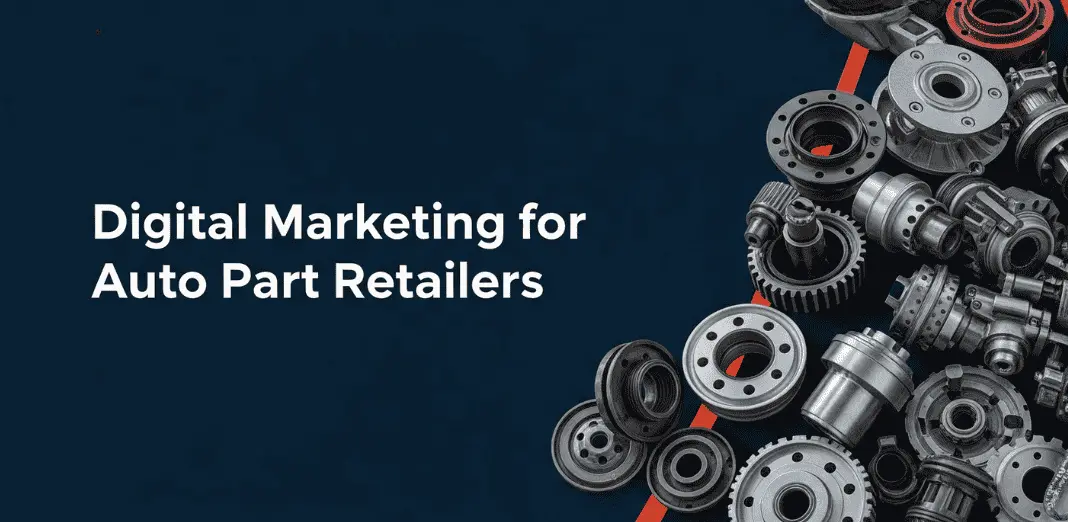

 ×
×

In an age where vehicle owners no longer rely solely on brick-and-mortar stores for auto parts, digital marketing has become the engine that drives growth for auto part retailers. Whether you’re selling OEM parts, aftermarket upgrades, or performance gear, building a strong online presence can transform your reach, revenue, and customer relationships.
In this blog, we’ll break down the digital marketing strategies that matter most for auto part retailers and how you can implement them to grow your business online.
The modern auto parts buyer is digitally savvy. Whether they’re DIY enthusiasts, repair shop owners, or first-time car owners, they begin their buying journey online. From researching product compatibility to comparing prices and reviews, every step of the process happens on a screen.
If your business isn’t actively engaging potential buyers at each of these touchpoints, you’re missing opportunities. Digital marketing ensures your products are visible, your brand is trusted, and your customers are nurtured—leading to more sales both online and in-store.
Your website is the foundation of your digital presence. It’s where first impressions are formed and where buyers decide whether or not to trust you with their vehicle’s needs.
A well-optimized website not only keeps users engaged but also supports your SEO and paid marketing campaigns.
Organic search is one of the highest-performing channels for auto part retailers. With thousands of users typing product-specific queries into Google daily, your store must appear in those results.
SEO is a long-term game, but the return on investment grows over time with consistent effort and quality content.
Paid advertising allows you to reach buyers exactly when they’re searching for specific parts. With platforms like Google Ads and Meta (Facebook/Instagram), you can precisely target your ideal customer based on search intent, behavior, or demographics.
The key is to measure your ROI with tools like Google Analytics and Meta Pixel. Track which campaigns bring the most conversions and optimize accordingly.
Auto part sales aren’t always one-time transactions. Customers often return for maintenance parts, upgrades, or accessories. Email marketing helps you stay top of mind and encourage repeat purchases.
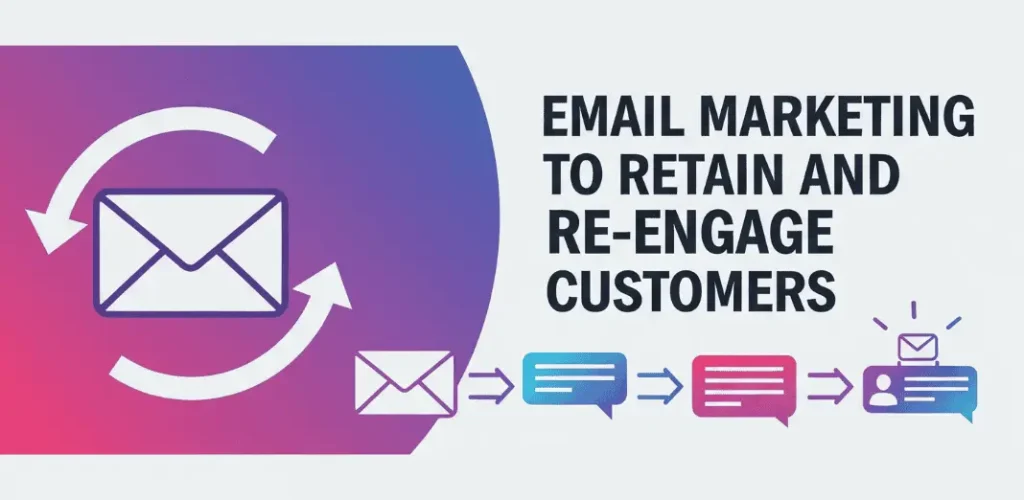
Use automation tools like Mailchimp, Klaviyo, or HubSpot to streamline your email campaigns and measure engagement.
Auto part buyers often need education before making a purchase. Content marketing helps your brand answer common questions, build authority, and improve SEO.
Your content doesn’t have to be complex—it just needs to be relevant, helpful, and easy to consume. Repurpose blog content into Instagram carousels, YouTube shorts, or email newsletters to expand its reach.
Auto enthusiasts and repair professionals frequently share, discuss, and discover parts and trends on social media platforms. Your brand should be a part of those conversations.
Consistency is key. Post regularly, engage with your followers, and use hashtags strategically.
If you’re not ready to scale your own eCommerce site or want to diversify your sales channels, online marketplaces are a great way to start.

Ensure your listings are optimized with clear titles, detailed descriptions, high-res images, and customer service support.
Digital marketing is dynamic. Trends shift, search algorithms evolve, and buyer behavior changes. That’s why monitoring your performance is critical.
Analyze the data monthly and use those insights to refine your campaigns, fix leaks in your funnel, and maximize ROI.
Digital marketing gives auto part retailers the horsepower to race ahead of the competition. Whether you’re a small local shop or an established online retailer, the right digital strategies can fuel your growth and build lasting customer loyalty.
The journey involves multiple touchpoints—your website, search engines, email, social media, and content. When these channels work in sync, they create a powerful ecosystem that drives traffic, conversions, and brand recognition.
If you’re ready to accelerate your digital journey, Kleverish can help. As a results-driven digital marketing agency, we specialize in creating performance-based strategies tailored for auto retailers like you.
Need expert help with SEO, PPC, or eCommerce strategy for your auto parts business?
Let’s talk. Visit kleverish.com and get started today.

Hello, I’m Arpan, a dedicated social media marketer passionate about crafting engaging content and driving results-driven campaigns. With a keen eye for trends and a strategic approach, I strive to elevate brands and foster meaningful connections with their audience. Let’s collaborate to unlock the full potential of your social media presence!



 Rated 4.99/5 overall
across 100+ reviews
Rated 4.99/5 overall
across 100+ reviews